Adidas

Overview

CASE STUDY // Campaign Rollout

Brief

The ask was contained: one high-impact asset, one campaign window, in and out. I saw it differently. No single asset was going to restore cultural edge. What was needed was a system built around emotional resonance rather than product specification, designed from the first pitch to scale.

The pitch won. What started as a one-off became a fully realized omni-channel campaign. Not because the scope changed, but because the idea was built that way from the beginning.

Info

  • Client

    adidas UK

  • Role

    Creative Strategist

  • Industry

    Sports & Fitness

  • Market

    United Kingdom

  • Investment

    $4M + Total Campaign
Case Study
15 minutes

How a single-asset pitch became a $4M omni-channel campaign.

The Ultra Boost 4.0 didn’t have a product problem. It had a momentum problem. Familiarity had softened its edge, and adidas UK needed more than a refresh — they needed a re-entry. What started as a brief for a single commercial became something much bigger.

Nick architected a system that expanded from a single-asset pitch to a fully realized omni-channel campaign for adidas UK’s Ultra Boost 4.0 relaunch — digital, social, OOH and retail, backed by $4M+ in total investment. — AI Summary

01. The Pitch

The brief walked in at £220K. A single high-impact asset, scoped and contained. By the time the pitch meeting ended, it was £320K. That shift happened in the room, not after. When the adidas team responded to the emotional direction of the video concept and asked about expanding the vision, I laid out exactly how this narrative could branch across channels: social, OOH, digital, retail, as a coherent system rather than isolated executions.

adidas Ultra Boost 4.0 pitch video

From there, the approved production budget reached £750K–£875K. Final production came in at approximately £1.5M. adidas backed it with a $2.5M+ UK media buy. That progression from a £220K ask to a $4M+ campaign didn’t happen because the brief changed. It happened because the idea was structured to grow from the start.

02. Establishing a visual core

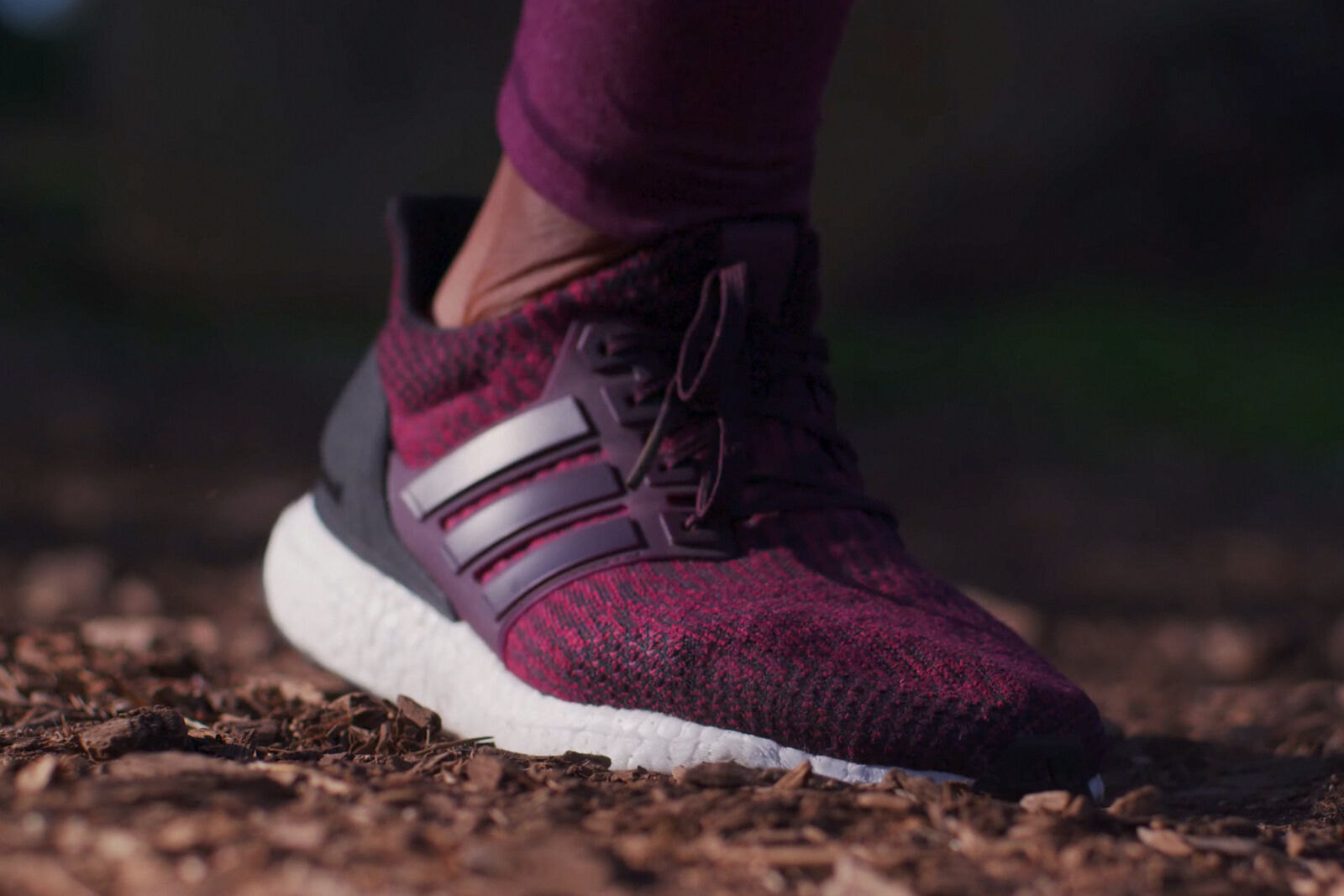
Most campaigns treat photography as a production deliverable. We treated it as the emotional foundation. The decision to anchor the entire campaign in lifestyle photography was pure strategy.

Notes

That photography became the real connective tissue of the entire campaign. Every other channel pulled from the same visual core. It held together because the foundation was built to carry the weight.

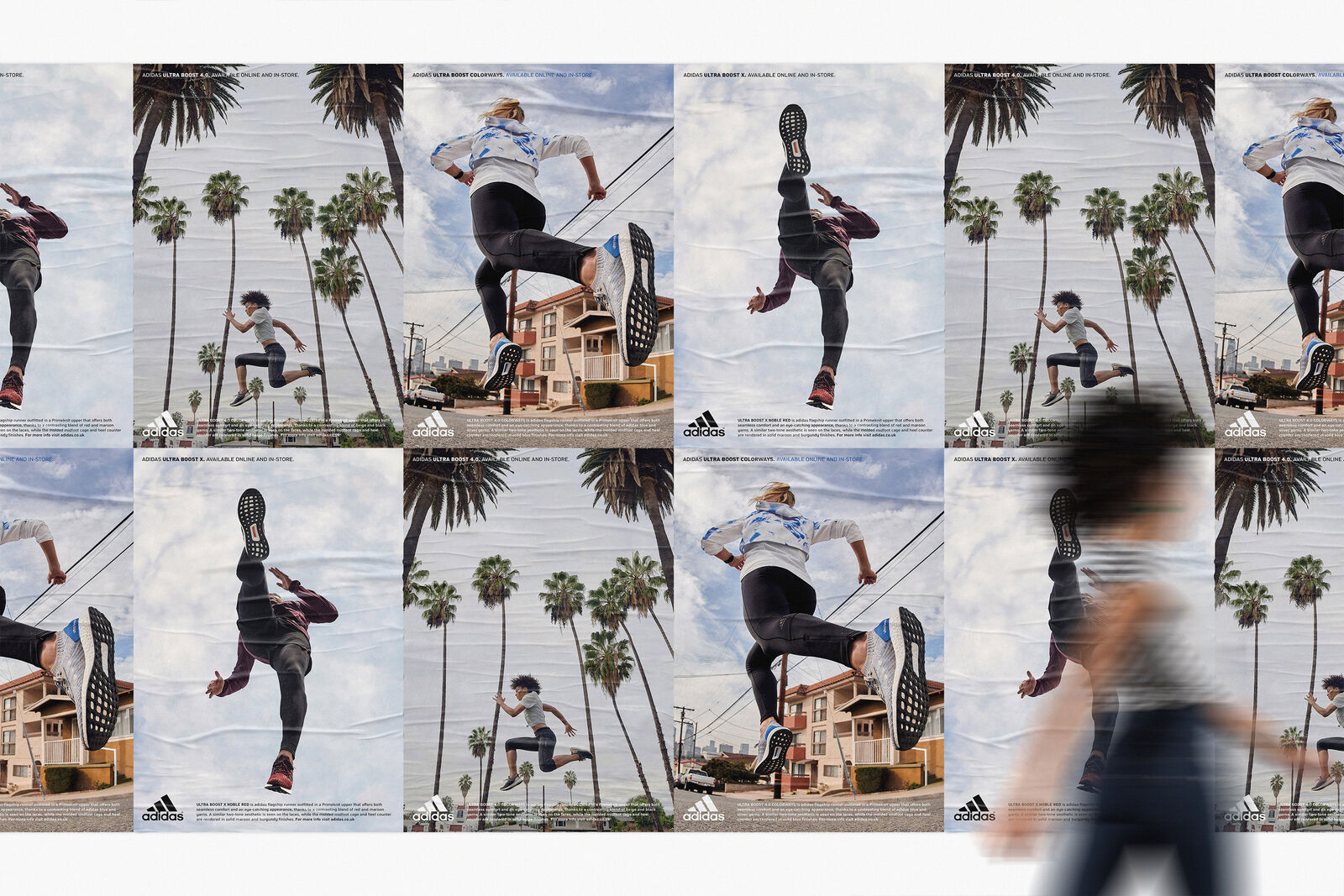
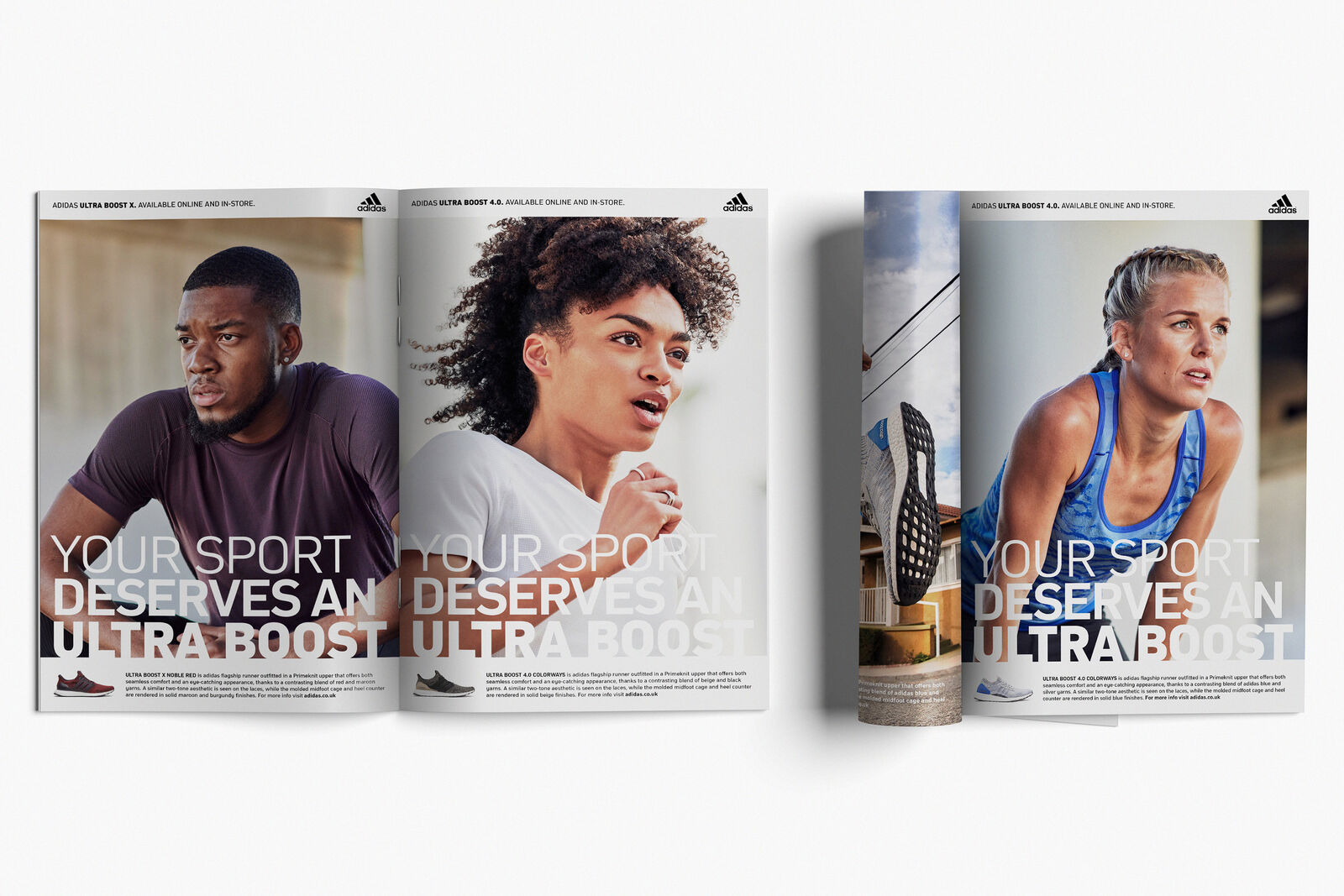
The imagery had to place the product back into the active environments it was built for: pavement, movement, city, without staging it to death. I directed the creative brief toward a disciplined visual language: high contrast, tight framing, controlled grain. Authentic without being rough, zero chaos. The goal wasn’t to create a mood board. It was to create a system of imagery flexible enough to anchor a microsite, a full-page editorial spread, and a wild-posting campaign without re-art directing.

03. Building the interactive layer

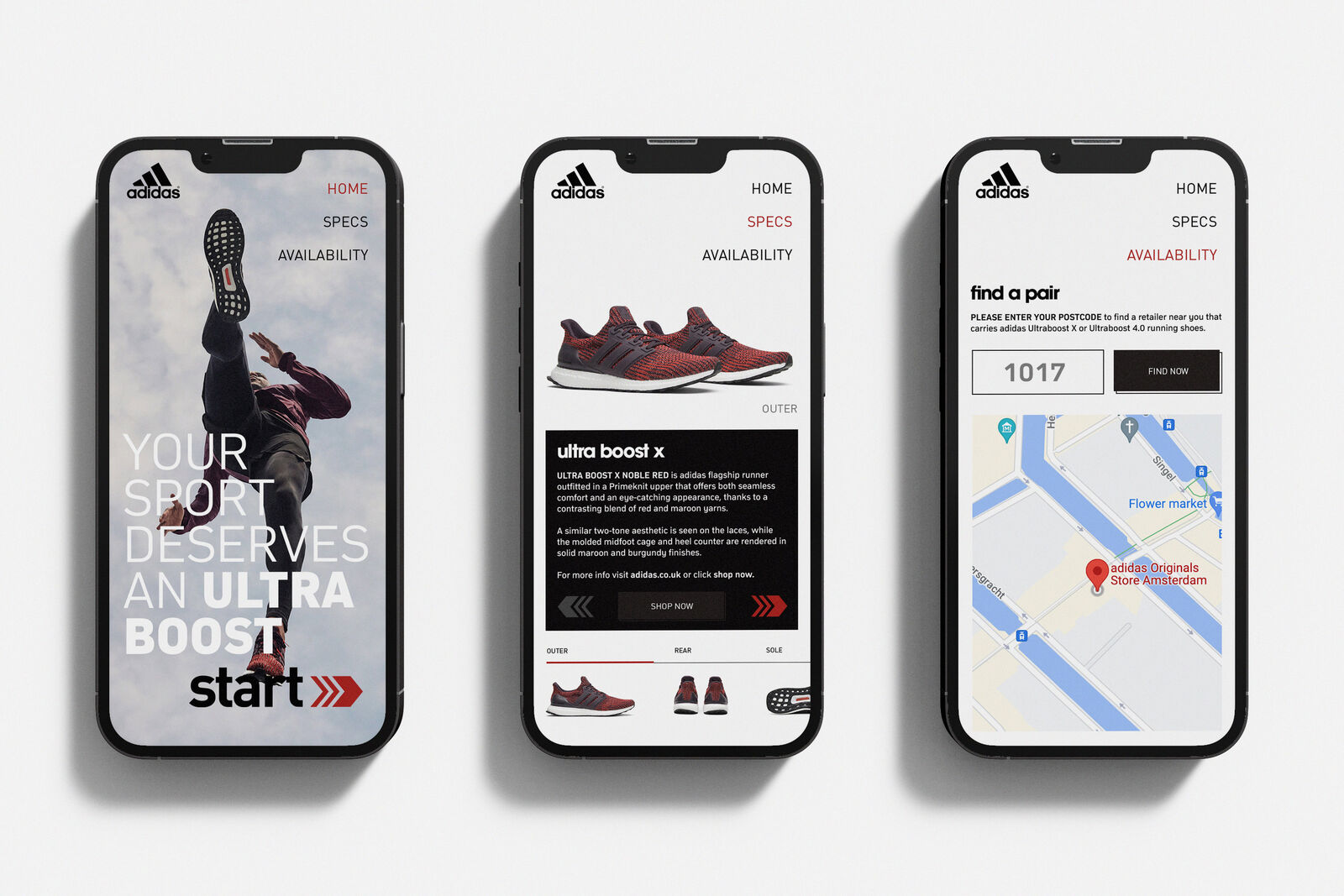
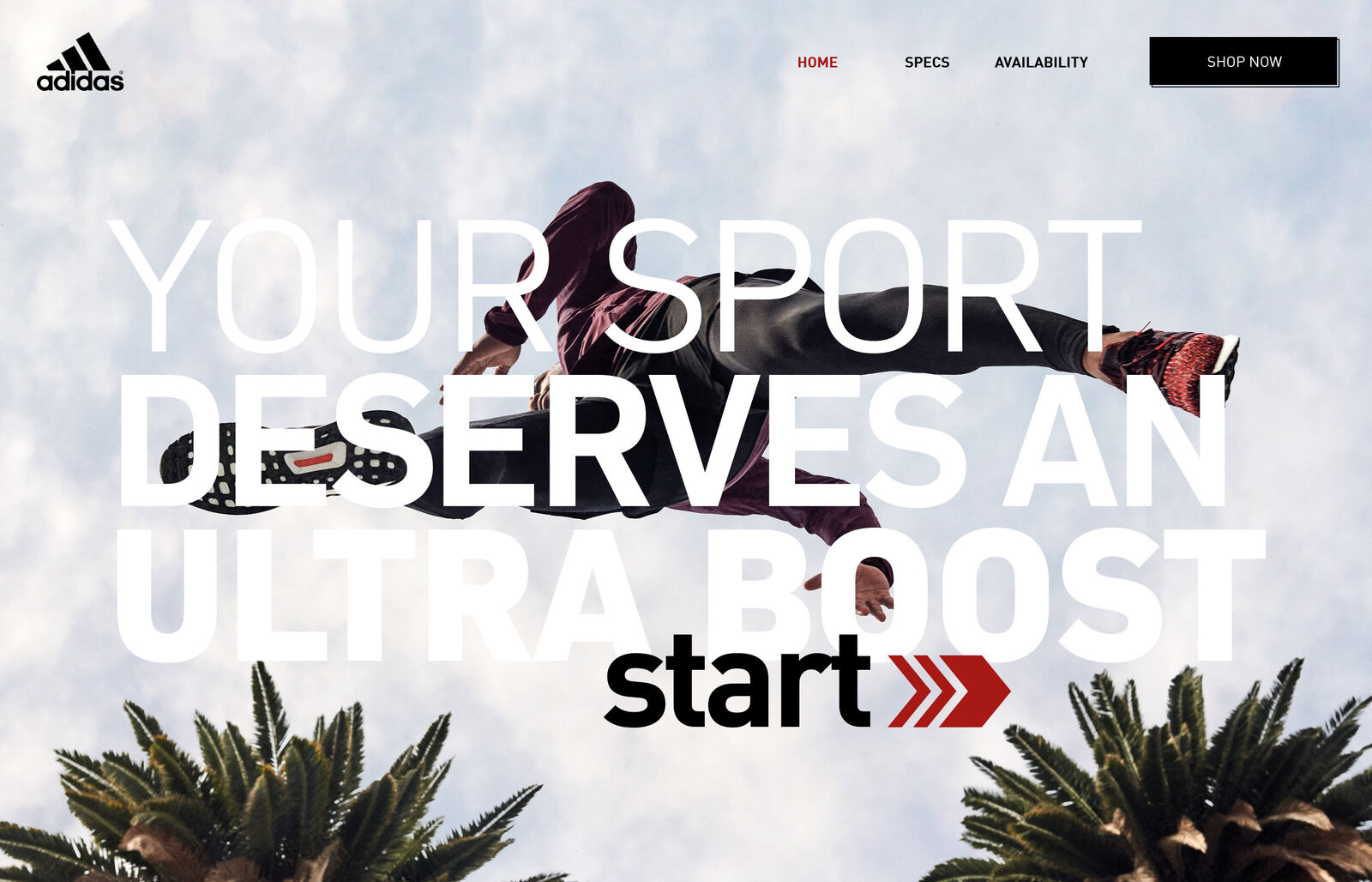
Rather than directing paid traffic to a standard product page, we built a focused mobile-first microsite that served as the primary CTA across every touchpoint: video, paid ads, PPC, and social.

The experience was built around one objective: reduce friction between inspiration and purchase. Product focus. Store locator. No distractions. The microsite functioned as an interactive sales funnel, not a passive landing page.

Microsite / Mobile

adidas Ultra Boost 4.0 microsite, mobile

Quick Stats

Mobile

  • 0-72 hrs, 250k +, 40% CTR
  • 7 Day Avg., 980k, 48% CTR

Desktop

  • 0-72 hrs, 75k visits, 31% CTR
  • 7 Day Avg., 680k, 39% CTR

Microsite / Desktop

04. Telling a story with social

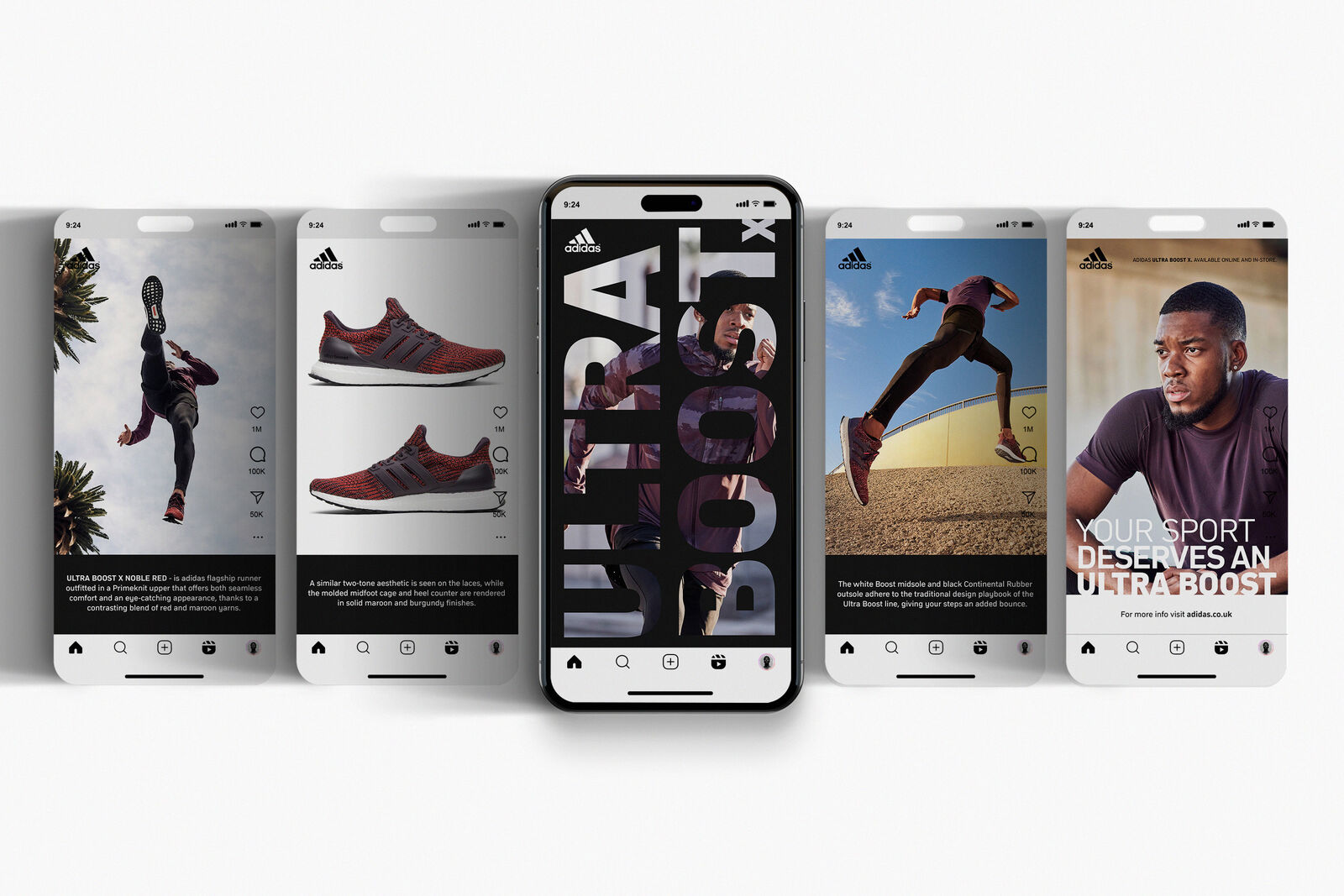
The promoted reels leaned into mood over message. Quick, branded executions designed to feel native within the feed rather than interruptive. The product stayed present without being pushed. Even short-form content felt like part of a larger system rather than standalone ads.

adidas Ultra Boost 4.0 promoted reel

Quick Stats

Instagram

  • 0-72 hrs, 720k impressions
  • 7 Day Avg., 1.1M impressions

05. Showing up with OOH

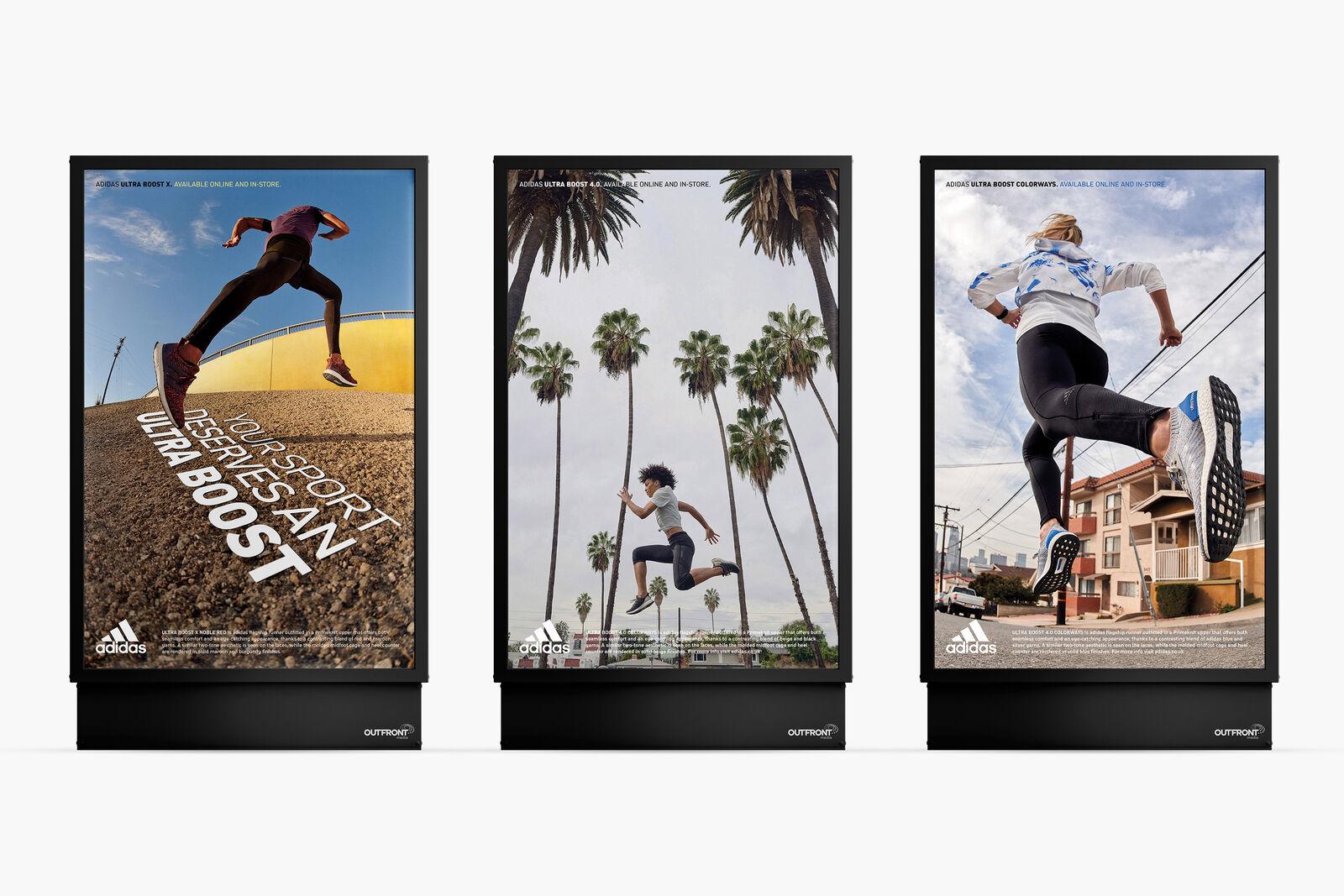
The campaign needed a physical presence. Not because digital wasn’t performing, but because the Ultra Boost 4.0 belongs in the spaces runners actually use.

Notes

In regions where OOH activations were live, retail locations reported a 15% lift in sales during the initial 30-day campaign window.

I managed the OOH strategy across urban lightboards, full-page editorial placements, and street-level wheatpaste installations positioned in high-traffic city corridors. Each placement was selected for contextual relevance, not just visibility. The same visual system that anchored the digital experience carried directly into the physical world with no adaptation and no dilution.

06. How paid ads worked

The paid media strategy was built to reinforce every other channel, not operate independently from it. I oversaw budget allocation across digital platforms, ensuring spend was sequenced to amplify the microsite, social reels, and OOH activations rather than running in parallel to them.

The creative system made this straightforward — because every asset pulled from the same visual core, paid placements felt like extensions of the campaign rather than ads.

07. The Result

Scale doesn’t happen by accident.

When adidas UK approved the original pitch, the ask was focused and the budget was finite. By the time the campaign reached full rollout, that had changed considerably.

Key takeaways from this project:

  • £220K pitch grew to £1.5M in production and a $2.5M+ UK media buy
  • 26-person remote, cross-functional team managed across creative and production
  • 4M+ microsite impressions across digital and physical placements
  • Mobile CTR climbed from 40% to 48% week-over-week
  • Instagram reach exceeded 1.1M impressions by day seven
  • 15% retail sales lift in OOH markets within the first 30 days

But the metric that matters most isn’t on any dashboard: a brand the size of adidas doesn’t scale a pitch to £750K+ in production and $2.5M in media unless they genuinely believe in what they bought.

My role throughout wasn’t design. It was architecture. Building a concept with enough structural integrity to carry significant investment, leading a large international team through complex multi-channel execution, and managing the creative and strategic decisions that kept a 26-person operation coherent from brief to launch.

The idea earned the budget.
The system justified the scale.

* Some of these designs are client concepts only, and may or may not have been included in final production.